
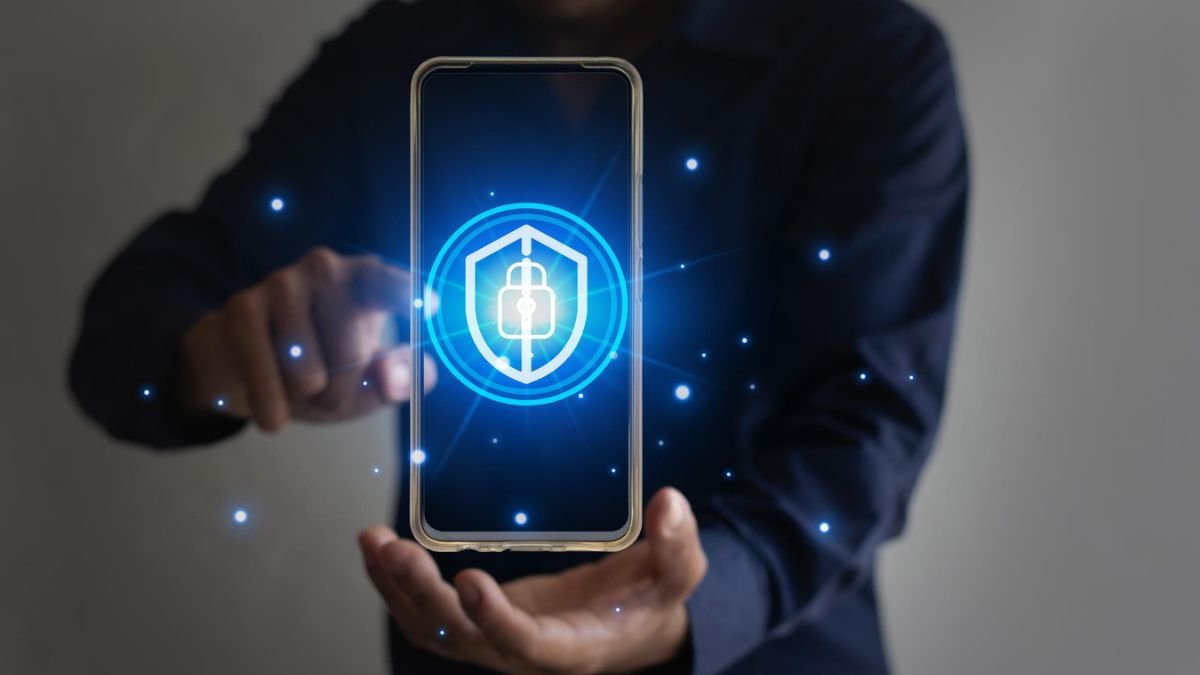
Mobile phones have turned into the storage of personal pictures and text interactions as well as banking apps and confidential files. Since it is such delicate data, Android applications have highly advanced security mechanisms to keep user information safe. One of the system messages that leaves a user clueless is the Android system user data locked.
It is something very sickening, and, as you know, frightening. The applications can drop, the data can not be accessed and your cell phone can do anything as it pleases. But what is it? Is it safeguarded-or not?
This guide will lay it all out and present you with all you need to know about this issue, why this occurred and how it can be addressed and how it compares to other Android privacy concerns.
Android System user data locked: What is it?
User Data Locked is a message that will otherwise appear in your Android phone when the phone cannot have access to encrypted user data.
The latest-day Androids possess files encryption with the help of encryption. Should the system not decipher this data properly- due to malfunction or interference- it blocks access to prevent corruption or illegal use.
This can result in:
- Apps not opening
- Files becoming inaccessible
- Malfunction of system features.
It only means that your phone is securing your information, but in the process, it is locking you out (temporarily).
What is wrong with this?
The reasons behind the dissemination of such a message may be several technical and security-related factors.
1. Partial/corrupted boot update
If your phone:
- Crashes during startup
- Suffers failure in an update.
It may not be in a position to decrypt user information in a proper manner.
2. Encryption Errors
Android is safe, with the data of users being encrypted. If:
- Encryption keys fail
- Initiates decryption.
The system will not be able to corrupt data, access is restricted.
3. Software bug/corruption
The system glitches or corrupted files may block normal access to data.
4. Protection Trigger or lock
Deliberate locking of data can be allowed by:
- Suspicion of activity.
- An effort to make an unauthorized entry.
This comes in the Android security framework.
5. Unauthorized apps or Spyware (Uncommon, but may happen)
There are bad applications that can:
- Disrupt system functions.
- Lock access to data
They could be rather harsh, and the cases of Android attacks which freeze some devices entirely and ransomware prove the severity of the problems.
Is Your Data under Lock safe?
Yes, and that is your safe data in most of the instances.
The warnings that inform of the locking of the user information are safeguards, but not indications that a theft of information has occurred. It ensures that:
- Unauthorized users are unable to gain access to your data.
- There is no improper use of corrupted data.
But the problem is accessibility; they are not dangerous.
Android System User Data Locked – How to correct this issue?
Reboot your computer (soft reset)
1. It is the simplest of the solutions
- Hold the power button
- Restart the device
In the remaining situations, the system will only need to reboot, then it will be in a position to decrypt the information.
2. Clear Cache Partition
If the problem persists:
- Reboot to recovery.
- Choose Wipe cache partition.
This will not delete any of your data but will delete any system files that could be disposed off.
3. Update System
Software upgrades that will correct:
- Bugs
- Security issues
- Encryption errors
4. Factory Reset (Last Resort)
If nothing works:
- Do a factory reset.
- Take care: This will erase any data.
In the occurrence of an extreme situation, this is the best avenue of having a re-entry point.
Related to Android Privacy and Security
The nature of this issue depicts the degree of data security and privacy, which Android regards as its priority.
1. Strong Encryption System
Android encrypts in this way such that:
- Protect personal data
- Prevent unauthorized access
2. Data and Applications
Numerous applications demand:
- Camera
- Microphone
- Location
Android also enables managing such permissions through the settings such as Privacy Dashboard.
3. Secret Structure of Information
Studies reveal that some applications and components of the system may gain access to sensitive data such as:
- Location
- Device identifiers
- Usage patterns
And without a definite understanding with the user.
4. Privacy vs Convenience
Android is flexible; however, it:
- Increase use of 3 rd party apps.
- Needs to be cautious about permissions.
Applications that can impact privacy
Once the news on the aspect of privacy is complete, below are the ordinary types of the apps that can affect your information:
1. Social Media Apps – Gather user usage and interaction
2. Free Utility Apps – Frequently include trackers or advertisements
3. Unknown or Side loads – Increased malware threat
4. Pre-installed Apps (Bloatware) – May could gain access to the system
Research has shown that both third-party software and unwanted apps, can be widely propagated across Android platforms and cause an amplified risk as far as privacy is concerned.
How to safeguard your Android data?
1. Repeat Check Permissions on the Check.
Remove unnecessary access
2. Trusted App Sources.
- Go to the Google Play Store.
- Avoid unknown APKs
3. Enable Security Features
- Screen lock
- Biometric authentication
4. Keep Software Updated
- Fix vulnerabilities
- Improve security
5. Backup Your Data
- Reset with loss When reseting.
- Background tracking
Conclusion
Android System User Data Locked is a message that is rather shocking, but tends to imply that your phone is trying its best to make sure that your data is safe. Its possible inconvenience to the everyday use can be seen as a nuisance, yet it demonstrates that even in the era of smartphones, encryption and security can be applied.
Being aware of its causes and resolutions will help you to solve the problem in no time without panic. The only thing more important about it is that it reminds you to keep in mind that you need to take your online safety very seriously.
Not only can we ensure that data security can be ensured in 2026 and further, but in addition, make it easy to use as well by restricting access to apps, avoiding using suspicious apps, and maintaining the state of your device.
Also Read: SoundSeeder: Complete Guide to Multi-Device Music Sync