
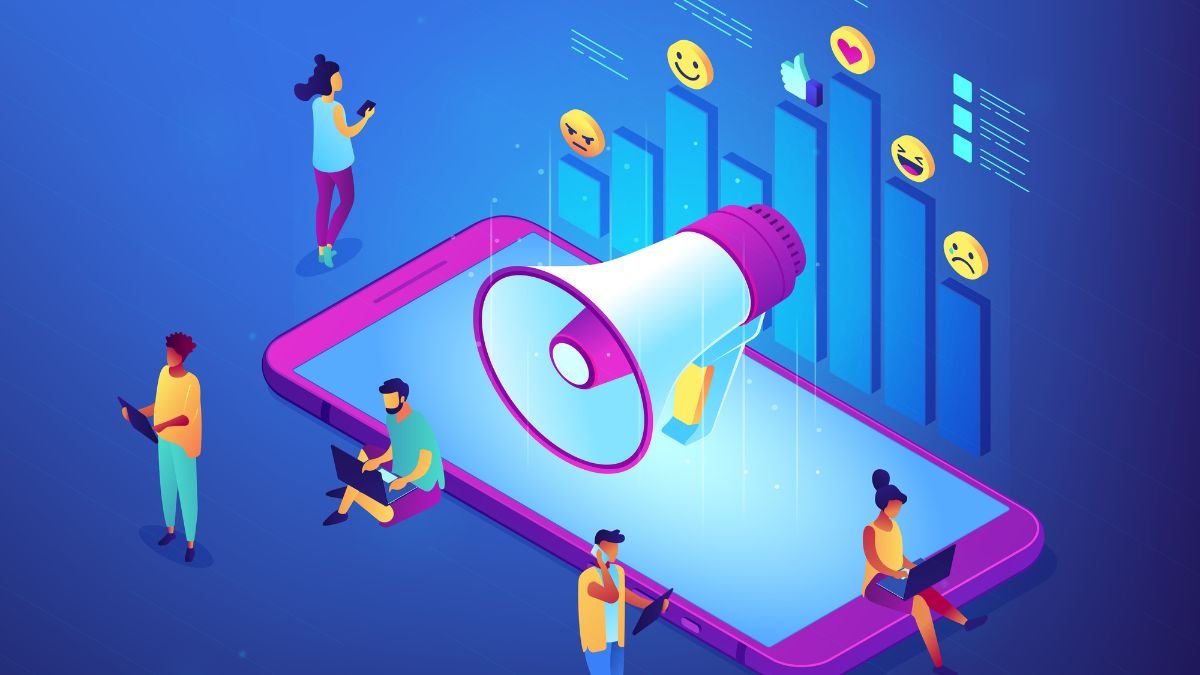
The entire process of marketing a business involves linking it to the target audience, and promotion in marketing is one of the most significant methods by which the connection can occur. Promotion as a term in marketing is the process or the tactics employed by businesses to name, remind, and convince customers about their services, products, or the brand. Even the most outstanding products might not get attention in a competitive market without promotion.
One of the four classical components of the marketing mix that we normally refer to as the 4Ps is promotion. It assists organizations in being more visible, creating interest, winning the attention of prospective customers, and ultimately making sales. These activities are considered a marketing promotion, whether it be a social media campaign, TV commercial, email newsletter or special discount offer.
What Is the value of Promotion in Marketing?
Promotion is very important in assisting companies to put across their value to the customers. It brings into consciousness and urges individuals to act, be it in buying something, registering with a service, or gaining knowledge about a brand.
The major advantages of promotion are:
- Grows brand awareness in target groups.
- Helps companies to be unique compared to others.
- Enlightens customers on products and services.
- Develops credibility and trust.
- Encourages customer engagement and loyalty.
- Stimulates sales and growth of revenue.
- Funds the product introduction and business growth.
By creating an effective promotion mix, businesses are able to get the right message, at the right time to the right audience.
Key Marketing promotion types
The various ways of promotion, in which businesses would apply based on the objectives, financial strength, and target, are numerous. All these techniques have different roles in the customer journey.
1. Advertising
Advertising involves the promotion, but in a costly way so as to reach many people. Firms have different avenues of placing promotional messages and promoting their products.
Typical advertising media are:
- Television commercials
- Radio advertisements
- Newspaper/magazine advertisements.
- Online display ads
- Social media advertising
- Search engine advertising
Advertising assists companies in establishing excellent brand awareness and reaching potential consumers in the shortest time possible.
2. Sales Promotion
Sales promotions are temporary rewards that aim at facilitating instant purchases. Such offers generate an urgency and encourage customers to buy promptly.
- Sales promotes can be of the type:
- Discount offers
- Buy-one-get-one-free deals
- Coupons and vouchers
- Limited-time promotions
- Free samples
- Cashback offers
Sales promotions are also often used by businesses in seasonal promotions, product promotions or in special events.
3. Public Relations (PR)
PR is aimed at preserving a positive image and establishing good connections with the customers, news media and the general population. Contrary to advertising, PR is frequently based on earned media, as opposed to paid placements.
PR activities could involve:
- Press releases
- Media interviews
- Community involvement
- CSR activities.
- Event sponsorships
- Crisis communication management
Public relations can be effectively used to promote brand image and build public confidence.
4. Personal Selling
Personal selling is a personal interaction between a salesperson and a potential customer. This form of promotion is particularly advantageous in the case of complex products or expensive services that need to be explained.
Responses to personal selling are:
- Personalized communication
- Immediate customer feedback
- Strong relationship building
- Greater insight into what the customers want.
- Higher conversion potential
Personal selling is often employed in industries like real estate, insurance, and B2B services.
5. Digital Marketing Promotion
The modern business world has seen digital marketing as one of the most effective promotional tools. It helps companies to access audiences worldwide and keep real time tracking of performance.
Digital marketing techniques used in popularity encompass:
- Social media marketing
- Content marketing
- Email marketing
- Search engine optimization (SEO)
- Influencer marketing
- Video marketing
Online marketing enables companies to capture the attention of customers through various platforms and devices.
Objectives of Marketing Promotion
All the promotions can and must work in favor of definite business objectives. Companies usually have specific intentions when they lay promotional campaigns.
Typical promotion goals are:
- Creating product awareness
- Generating customer interest
- Increasing website traffic
- Encouraging trial purchases
- Boosting sales volume
- Retaining existing customers
- Building brand loyalty
- Improving brand image
The success of their promotional activities can be gauged more satisfactorily by setting specific objectives, the achievement of which can be quantified therein.
How to develop a good promotional strategy?
An effective promotional plan should be planned and executed carefully. Companies should learn how to know who to communicate to, and the promotional methods to use should be appropriate.
To create an effective promotion strategy, the steps to follow are:
- Identify target customers.
- Define promotional goals.
- Develop an attractive marketing message.
- Select the appropriate promotional mediums.
- Establish a proper budget.
- Initiate and follow promotions.
- Monitor performance and maximize performance.
All marketing channels should be consistent to develop a recognizable and strong brand.
Weakness of Marketing Promotion
Although promotion is beneficial in many ways, there are a number of obstacles that businesses can encounter when attempting to attract their audience.
A few of the weaknesses are:
- Bringing about heightened competition in industries.
- Rising advertising costs.
- Changing customer preferences.
- Ad fatigue and information overload.
- Hard to measure the effectiveness of the campaign.
- Dealing with various outlets.
The only way through which businesses can deal with these challenges is to have their promotional tactics constantly analyzed according to the market trends.
Conclusion
Marketing Promotion The promotion process refers to the act of reaching out to customers with a view to raising awareness, creating interest, and making them take action. It incorporates different strategies that include advertising, sales promotion, PR, personal selling, and digital marketing.
An effective promotional campaign can assist companies in attracting the customer base, gaining brand equity, and realizing future growth. The current market is competitive, and promotion not only works as an option in the business world or environment, it is also a key ingredient of business success.
Also Read: AI Tools for Digital Marketing